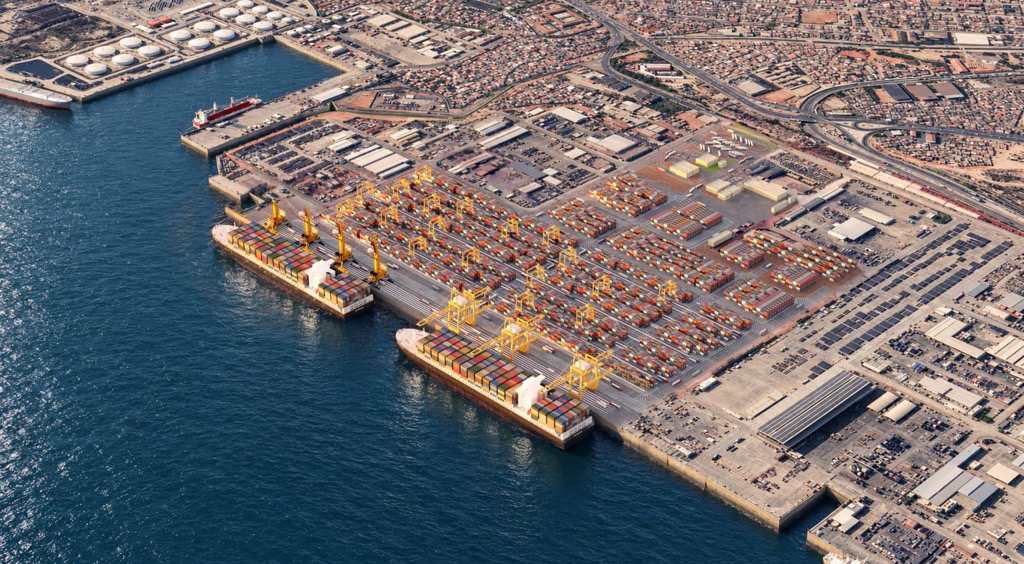
Dangote's $2.2bn road bet: when a conglomerate has to build its own highways
Africa's richest man is spending 3.3 trillion naira to fix the roads his 14,000 trucks depend on.
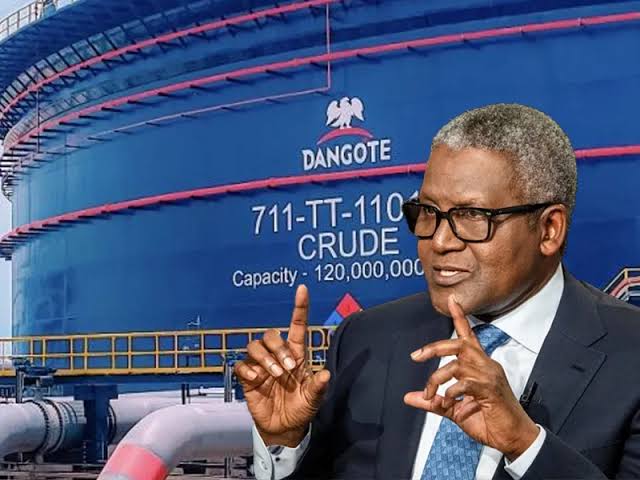
Aliko Dangote says his businesses are investing $2.2 billion to upgrade Nigeria's roads, a commercial fix for a network the World Bank rates as mostly in poor condition.
Aliko Dangote has decided that if Nigeria's roads will not carry his goods efficiently, his companies will pay to fix them. Speaking in Accra at a summit with Ghana's President John Mahama, Africa's richest man said his businesses are spending 3.3 trillion naira, about $2.2 billion, to upgrade Nigeria's road network.
A logistics problem with a price tag
The logic is commercial. Dangote's group operates around 14,000 trucks in Nigeria, moving cement, sugar, fertiliser, food products and refined fuel between factories, ports and customers. More than 90% of Nigeria's passenger and freight movement relies on roads, and the World Bank estimates about 80% of the network is in poor condition.
Every pothole adds to fuel, maintenance and delay costs. For a group running Africa's largest cement business, its largest oil refinery and the region's biggest sugar operation, those costs compound across millions of tonnes a year.
Private capital filling public gaps
The move is a clear example of a wider African pattern: large private groups funding infrastructure the state has struggled to deliver. It protects Dangote's margins, but the benefits spill over to every manufacturer and transporter using the same routes.
The wider expansion
The roads commitment sits inside a much larger plan. Dangote recently lifted his targeted African investment to about $70 billion by 2030. In Ghana he is exploring cocoa processing and rice, and he argued that expanding West African production would support a common ECOWAS currency, with Ivory Coast, Ghana and Nigeria taking the lead.
What it means for business
For companies operating in Nigeria, better trunk roads could lower distribution costs over time. For policymakers across the continent, it is a reminder that when infrastructure fails, the biggest players will build around the state, and they will choose the routes that serve them first.